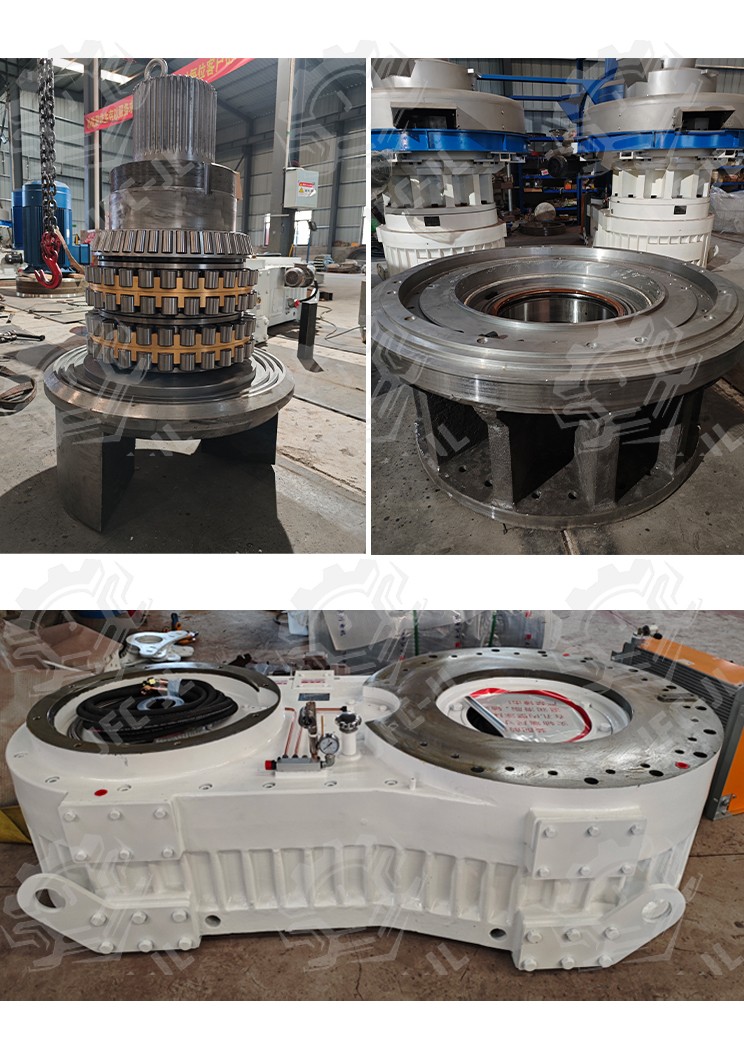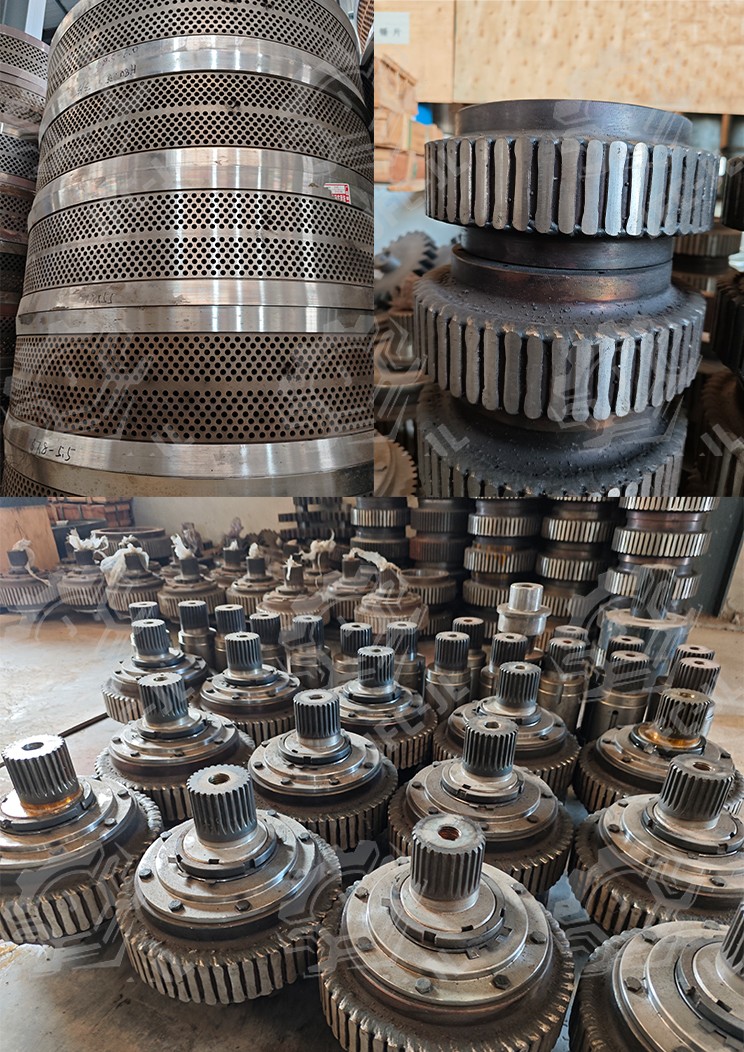
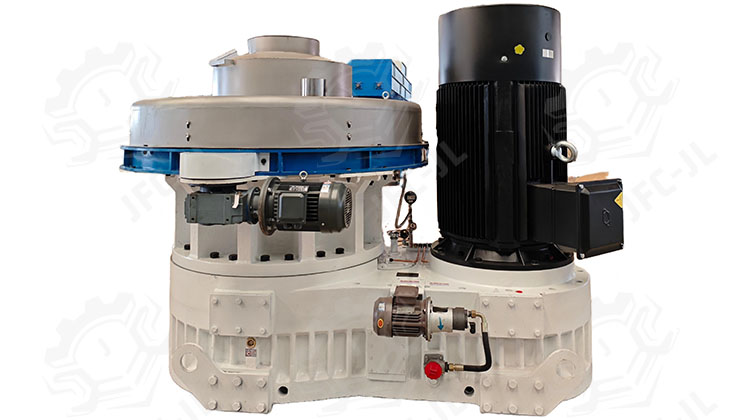
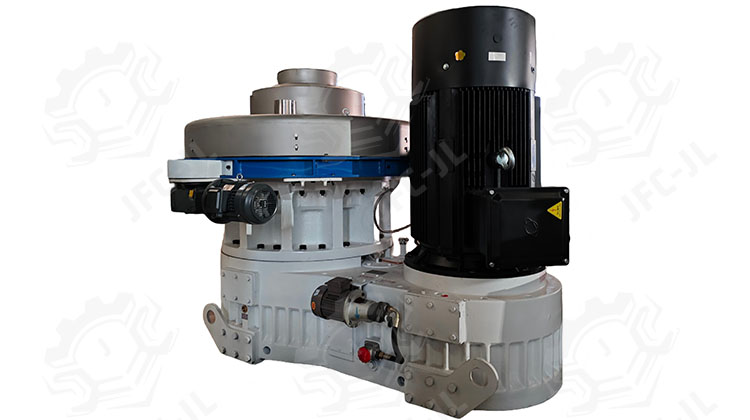
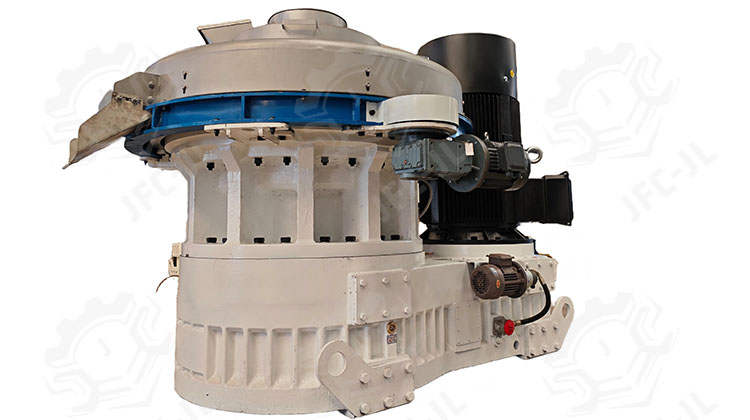
The unique feature of the pellet mill is double-layer die construction. The rollers are designed with high-abrasion-proof alloy steel and stainless steel, effectively prolonging the service life of spare parts.
Model | Power (kw) | Capacity (t/h) | Pellet Size (mm) | Dimension (mm) | Weight (t) |
560A | 90 | 1.1-1.3 | 6-12 | 2500×1500×2000 | 4.2 |
560B | 110 | 1.4-1.7 | 6-12 | 2500×1500×2000 | 4.5 |
560C | 132 | 1.5-2.1 | 6-12 | 2500×1500×2000 | 5 |
560D | 160 | 2.0-2.5 | 6-12 | 2500×1500×2000 | 5.3 |
850A | 250 | 3.0-4.0 | 6-12 | 2700×1800×2300 | 12.6 |
850B | 280 | 3.8-4.5 | 6-12 | 3100×1900×2300 | 13.5 |
850C | 355 | 4.6-5.0 | 6-12 | 3300×2000×2300 | 14.1 |
1050 | 450/560 | 7-9 | 6-12 | 3980×2060×3450 | 23 |
Sawdust, branches, wood chips, straws, grass, bamboo wastes, bagasse, peanut shells, alfalfa, chaff, coconut shell, waste paper, EFB palm fiber, mixture of wood waste, wood particles, waste formwork etc. all of them can be pressed into pellets.
Agricultural waste like rice husk, sunflower husk, peanut shell, EFB palm fruit bunch, alfafa, bamboo, fruit shell, crop stalks, palm shell, straw.
Others like cow dung, EFB, coconut shell, bamboo, activated carbon, sugarcane bagasse, cement, ash, fertilizer,chemical, etc.